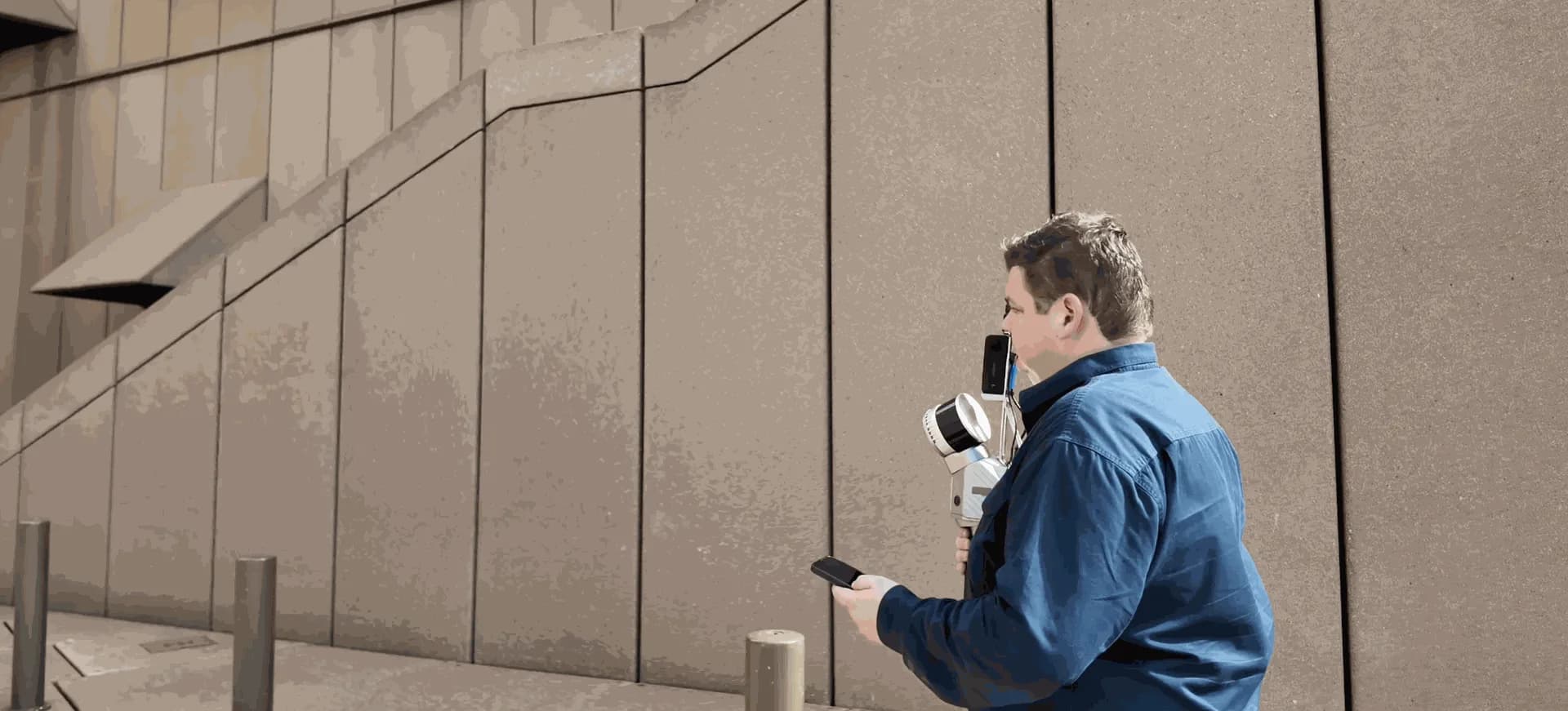
Mark at Onsite Scanning Solutions in Sydney spends much of the day on scaffold problems *before* the install crew arrives. Ties, base conditions, heights, angles, and access decide whether a design holds once construction starts.
The firm is an engineering office for scaffold design. 3D capture brings the real site into that work, so conflicts can be handled while the scaffold is still a model.
Hours in the model instead of days on the scaffold
A scaffold model can be developed in a matter of hours. Resolving the same issues during installation can take a crew four to five days. Mark uses the FJD Trion S2 to keep more of the physical site than drawings and spot measurements provide.
A clearer conversation with the client
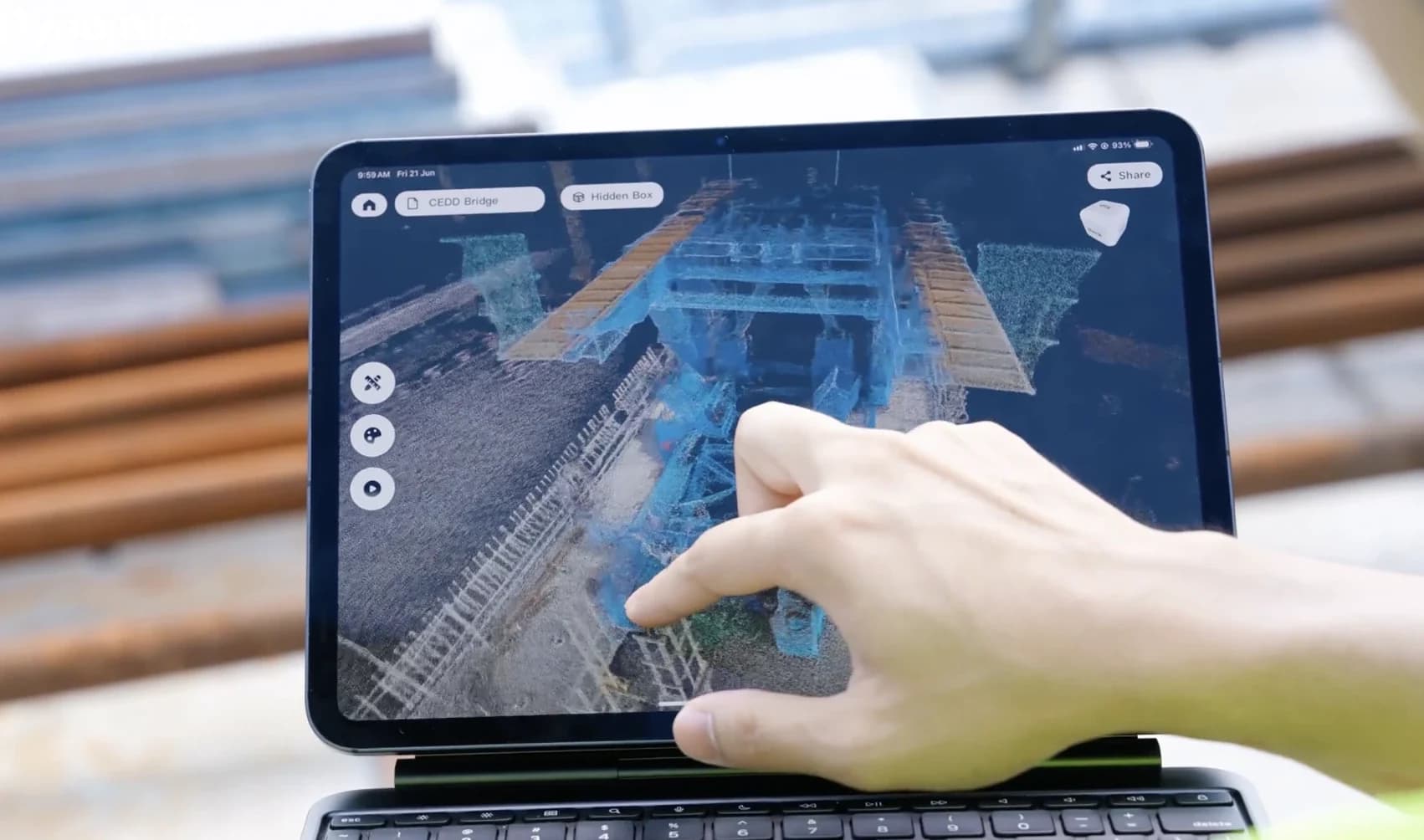
By combining the scan with imagery, the team can place visual reference points in the captured environment. Clients see how the proposed scaffold relates to the existing structure, instead of reading that relationship from drawings alone.
Onsite Scanning started as a scanning service. They now also help customers scan for themselves — because the Trion line is simple enough for in-house use. The same idea applies beyond scaffolding: capture the site, bring it back, and model against what is actually there.
Summarised from a customer story published by FJD Trion. Contact Norrpoint to specify the S2 for scan-to-BIM in the Nordics.
Talk to Norrpoint
Tell us about the job and we will come back with a recommended configuration, availability, and next steps.